✍️ Introduction
India’s logistics industry is undergoing a major transformation in 2026. Once considered a traditional transport sector, logistics has now evolved into a technology-driven, highly competitive, and globally connected industry. With rapid growth in e-commerce, manufacturing, and exports, logistics has become the backbone of India’s economic development.
🚀 Logistics Industry Growth in India
The Indian logistics sector is currently valued at over $300 billion and continues to expand rapidly. It is expected to reach new heights by 2030 due to increasing domestic consumption, export demand, and infrastructure improvements.
Key growth drivers include:
Expansion of e-commerce platforms
Rising manufacturing and export activities
Government focus on infrastructure development
Growth of small and medium enterprises (SMEs)
🛣️ Infrastructure Development Boosting Logistics
India is witnessing massive improvements in logistics infrastructure:
Development of national expressways
Dedicated freight corridors for rail transport
Expansion of ports and airports
Establishment of logistics parks and warehouses
These developments are significantly reducing transportation time and improving supply chain efficiency across the country.
📦 E-Commerce & Fast Delivery Revolution
The rise of e-commerce and quick commerce has completely reshaped logistics demand in India:
Same-day and next-day delivery expectations are now standard
Growth of micro-warehouses and fulfillment centers
Increased demand for last-mile delivery services
💻 Technology Driving Modern Logistics
The logistics industry is rapidly adopting advanced technologies:
GPS-based real-time tracking
AI-powered route optimization
Automated warehouses and robotics
Digital freight booking platforms
This shift is improving transparency, speed, and efficiency across supply chains.
🌏 India’s Growing Role in Global Trade
India is becoming a major player in global logistics and trade:
Strong export growth in textiles, pharmaceuticals, and manufacturing
Expanding trade routes with Asia, Europe, and the Middle East
Increasing demand for air and sea freight services
This positions India as an emerging global logistics hub.
⚠️ Challenges in the Logistics Sector
Despite rapid growth, the industry faces several challenges:
Rising fuel and transportation costs
Infrastructure bottlenecks in some regions
Complex customs and documentation processes
Intense competition among logistics providers
📊 Opportunities for Logistics Companies
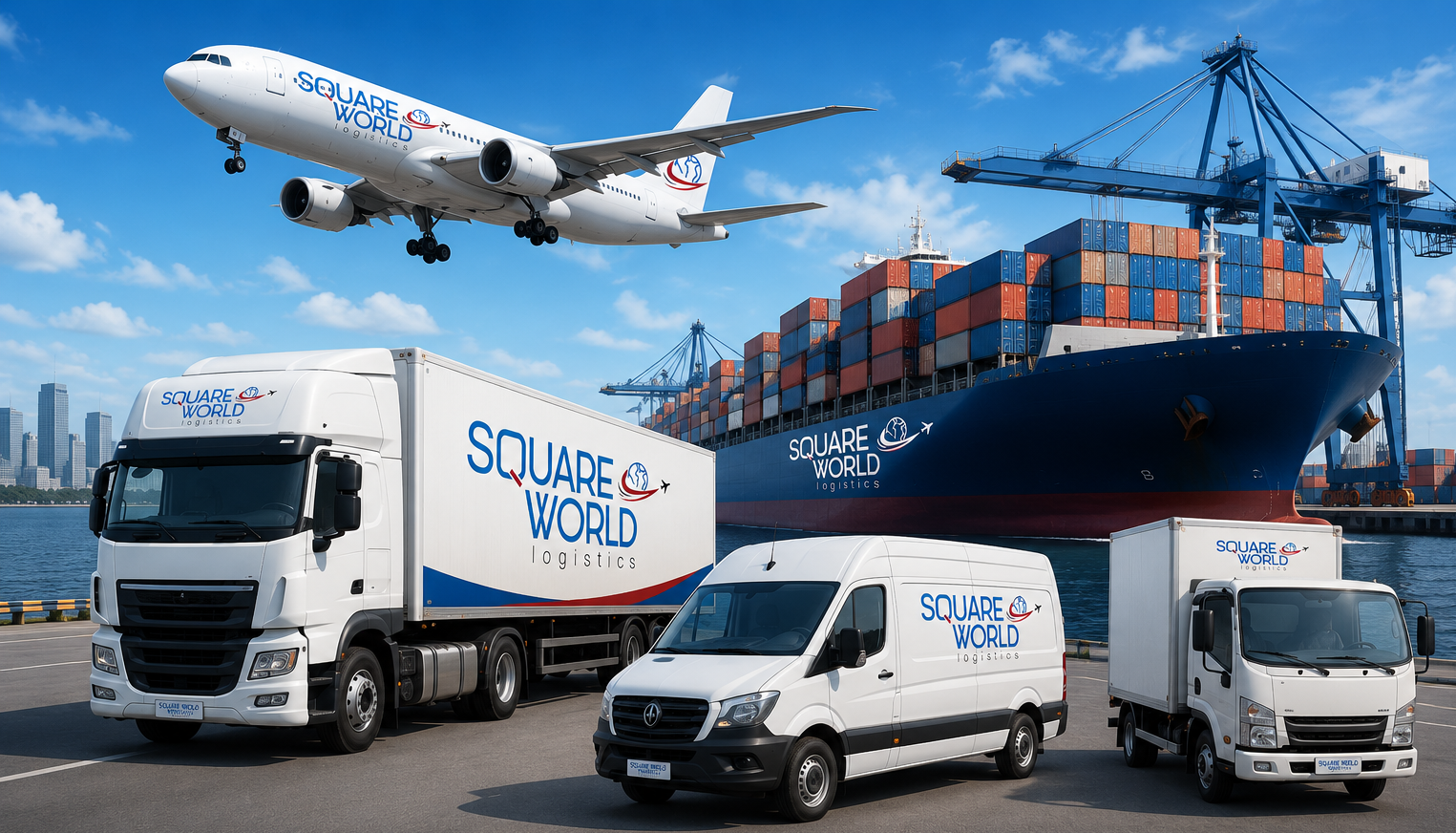
The current environment presents huge opportunities for logistics companies such as
SQUARE WORLD LOGISTICS:
Growing demand for reliable courier and cargo services
Expansion of international shipping requirements
Increasing outsourcing of logistics operations (3PL model)
Rising SME and e-commerce logistics needs
Companies that focus on speed, reliability, and technology integration are expected to lead the market.
🚀 Conclusion
India’s logistics sector in 2026 is not just growing—it is transforming. With strong infrastructure development, digital adoption, and global trade expansion, the industry is set to become one of the most powerful sectors in the Indian economy.
For logistics providers, this is the right time to innovate, expand, and build trust-based global networks.